

2026 Finalists

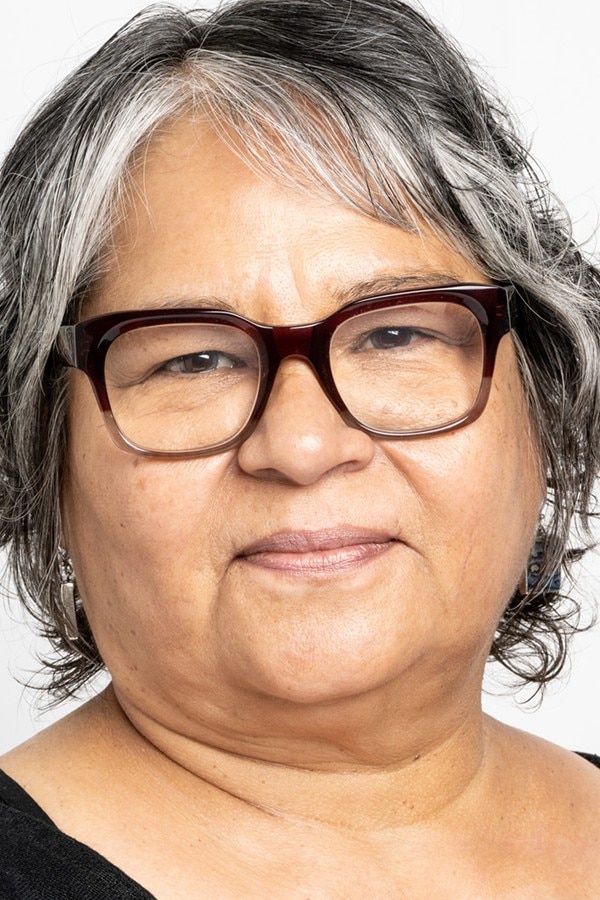
Lori Blondeau
Lori Blondeau is an influential contemporary arti of Cree, Saulteaux, and Métis from Saskatchewan, Canada, Treaty Four. Since the 1990s, she has established an interdisciplinary artistic practice encompassing performance, photography, and installation art. Alongside her creative endeavors, Blondeau played a vital role in the Indigenous art community as the co-founder and Executive Director of the Indigenous art collective TRIBE, significantly contributing to the prominence of Indigenous art and knowledge in Canada. Her notable performances, including “We Want to be Like Barbie that Bitch has Everything” (1995), “Are You My Mother?” (2002), “States of Grace” (2007), “Plains Horizon” (2024), reflect her profound engagement with themes of identity and culture, while her photographic works such as “COSMOSQUAW” (1996), “Lorely Surfer Squaw” (1997), and “Asinîy Iskwew” (2016) exhibit a compelling blend of precision, humour, and strength. Blondeau’s work has been showcased in numerous group and solo exhibitions, earning her recognition as a pivotal figure in contemporary art. In addition to her artistic practice, she has served as an Associate Professor at the University of Manitoba School of Art since 2018, where she mentors emerging artists. Her contributions to the field were acknowledged when she received the prestigious Governor General’s Award in Visual and Media Arts in 2021, highlighting her significant impact on the art landscape in Canada and beyond. Nominated by Leah Taylor |
Sara Cwynar
Sara Cwynar is an artist working in photography, video, and installation. She holds an MFA from Yale University and a BDes from York University. Past projects include Alphabet, ICA Boston (2025); Baby Blue Benzo, 52 Walker, New York (2024); Performa Biennial, New York (2021); S/S 23, Foam Photography Museum, Amsterdam (2023); Apple Red, Grass Green, Sky Blue, ICA Los Angeles (2022); Source, Remai Modern (2021); L’Image Volée, Fondazione Prada, Italy (2016), and Greater New York, MoMA PS1, NY (2015/16). Cwynar’s work is held in the collections of MoMA, the Centre Pompidou, MMK Museum für Moderne Kunst; The AGO, and the National Gallery of Canada among others. In 2025 she was the recipient of a Guggenheim Fellowship. Nominated by Emmy Lee Wall |
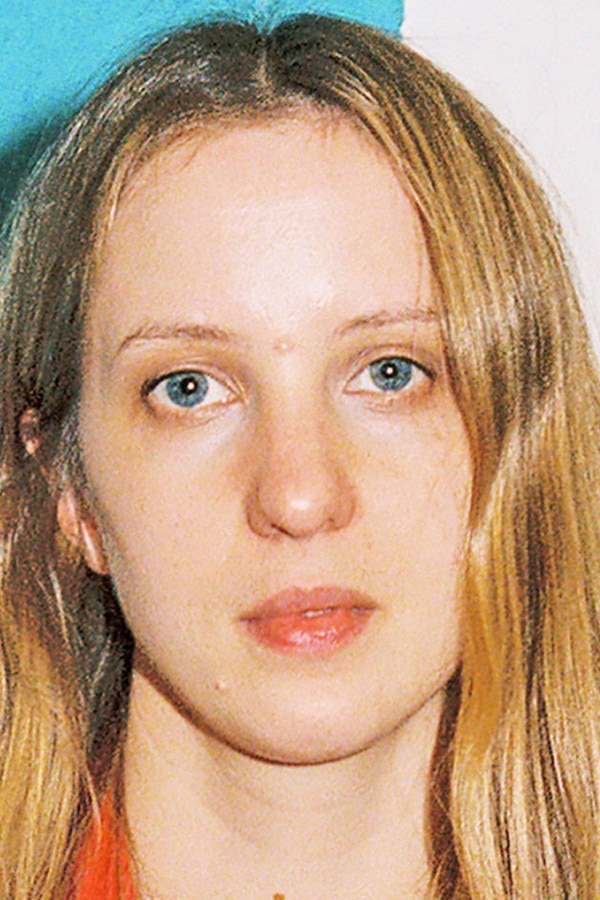
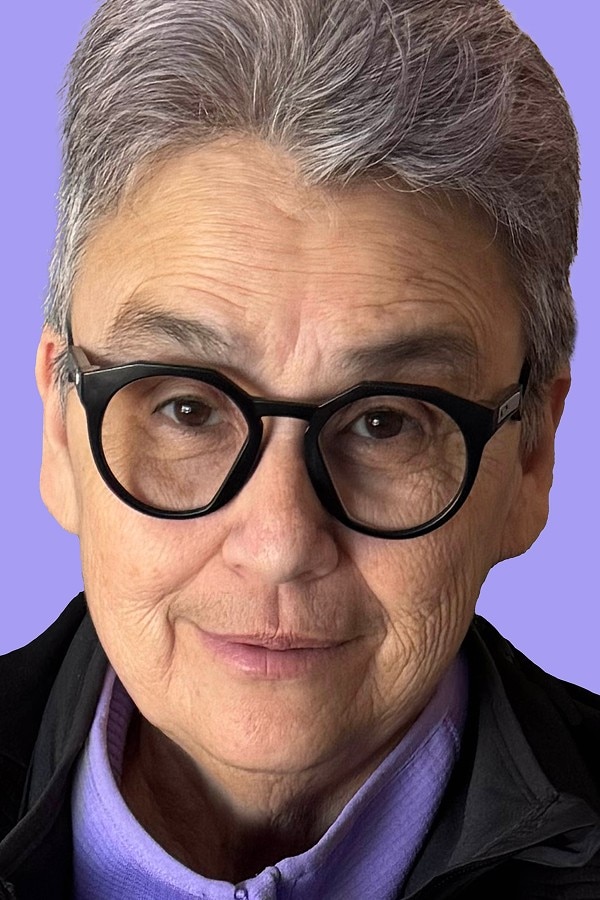
Rosalie Favell
With a distinguished career spanning over 40 years, Red River Metis artist Rosalie Favell has influenced generations of Indigenous and non-Indigenous artists. Inspired by her family roots and Winnipeg childhood, she draws from various sources such as family albums and popular culture to portray themes of empowerment as a contemporary Indigenous woman. Using photography, painting, and video, she addresses the complexity of her Metis heritage and 2SLGBTQ+ identity through humor and ambiguity. Rosalie has exhibited nationally and internationally, and has artwork represented in numerous prestigious collections such as the National Gallery of Canada and the Smithsonian Museum of American Indian.
Nominated by Ryan Rice
Sandra Semchuk
Sandra Semchuk (b. 1948, Meadow Lake, Saskatchewan) is a senior Canadian photographic artist whose work across photography, video, and text has had a lasting and influential impact on contemporary photography in Canada. Over more than five decades, her practice has expanded understandings of photography as a relational, ethical, and critically engaged medium, addressing identity, memory, family, and the dynamics of settler colonialism.
Semchuk received a BFA from the University of Saskatchewan in 1970 and an MFA in Photography from the University of New Mexico in 1983. In 1971, she was among the founding members of The Photographers Gallery in Saskatoon, one of Canada’s earliest artist-run centres dedicated to photography. At a time when the medium was often marginalized within contemporary art institutions, The Photographers Gallery played a key role in asserting photography as a critical artistic practice, and Semchuk’s early leadership contributed to the development of artist-run culture and photographic discourse nationally.
Collaboration and long-term relationships are central to Semchuk’s work. Her daughter Rowenna, her father Martin, and her second partner, Rock Cree artist James Nicholas, became sustained collaborators whose presence shaped both the content and methodology of her practice. By situating family and intimacy at the core of her work, Semchuk challenged conventions of photographic objectivity and authorship, using photography as a means of self-interrogation, dialogue, and ethical engagement. Her collaborative projects with James Nicholas are particularly significant for their sustained examination of settler colonialism as a lived, relational condition grounded in place, responsibility, and accountability.
Although Semchuk’s early formation was rooted on the Canadian Prairies, she has lived in Vancouver for many years, and her career is firmly situated within a national and international context. Her work has been exhibited widely across Canada and internationally, including presentations at the Canadian Museum of Contemporary Photography (Ottawa), Presentation House Gallery (Vancouver), Morris and Helen Belkin Art Gallery (Vancouver), MacKenzie Art Gallery (Regina), Museum London, and Urban Shaman (Winnipeg), among many others. International exhibitions have included venues such as the Museum of Modern Art (New York), San Francisco Museum of Modern Art, and the Center for Creative Photography (Tucson).
In 1998, Presentation House Gallery organized How Far Back Is Home…, a major retrospective marking 25 years of Semchuk’s practice. Her exhibition Ithin-eh-wuk: We Place Ourselves at the Center, focused on her collaborations with James Nicholas, and has been presented at multiple institutions. It is widely recognized as a significant contribution to conversations about Indigenous–settler relations within contemporary art.
Semchuk’s work is held in numerous public collections, including Remai Modern, the National Gallery of Canada, the Vancouver Art Gallery, the Canada Council Art Bank, and major international museum collections. Her scholarly publication The Stories Were Not Told: Canada’s First World War Internment Camps (University of Alberta Press, 2019) extends her photographic practice into historical research and public scholarship.
In recognition of her sustained contribution to Canadian art, Semchuk received the Governor General’s Award in Visual and Media Arts in 2018. In addition to her artistic practice, she taught at Emily Carr University of Art + Design from 1987 to 2018, influencing generations of artists through her commitment to critical, socially engaged photographic practice. Through her work as an artist, collaborator, educator, and institution-builder, she has played a pivotal role in shaping photography in Canada as a critical and socially embedded practice.
Nominated by Michelle Jacques |
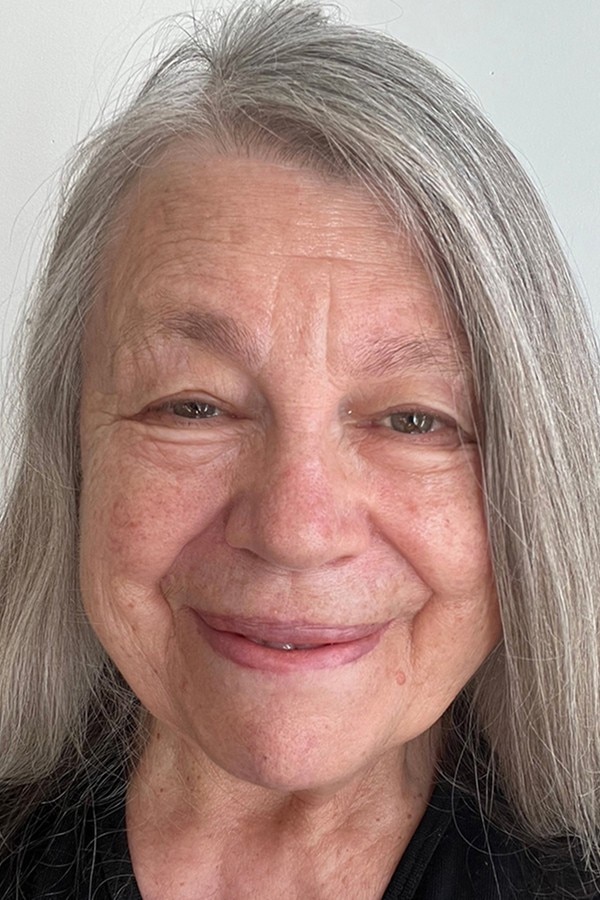
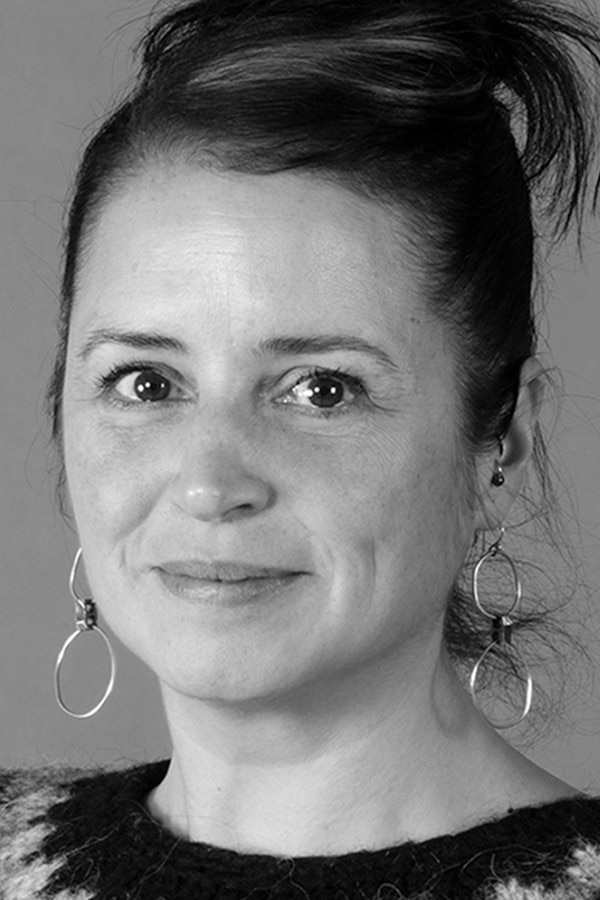
Karen Stentaford
Karen Stentaford (she/her) is an artist and educator living in Sackville, New Brunswick within Mi’kma’ki. She specializes in large format photography and the wet plate collodion process. Working across photographic media, she explores place, relationships to land and environment, and connections with community. Her practice is rooted in slow photography, repetition, and close looking. Since 2013 she has engaged communities through participatory photography with her Photomatic Travelling Tintype Studio. She received a BFA from Mount Allison University, a BEd (Visual Arts Specialist) from NSCAD University & Mount Saint Vincent University and a MA in Photography from the Edinburgh College of Art. Currently Karen is an Associate Professor, Pierre Lassonde School of Fine Arts at Mount Allison University. Nominated by Jane Walker |